Lambeth removals licensing insurance what to check
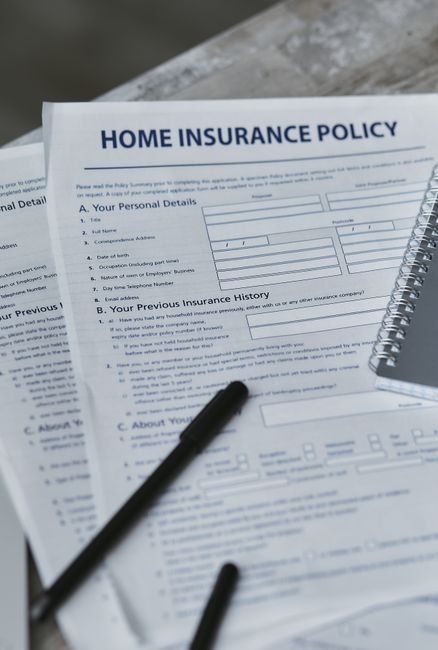
If you are planning a move in Lambeth, the details can get tangled fast. One minute you are comparing vans, the next you are wondering whether a company is properly licensed, what insurance actually covers, and which checks matter before anyone loads a single box. That is exactly why this guide exists. It breaks down Lambeth removals licensing insurance what to check in plain English, so you can choose a mover with more confidence and fewer nasty surprises.
Truth be told, most people do not think about licensing and insurance until something goes wrong. A scratched floor, a lost lamp, a driver who cannot access a narrow street, or a quote that suddenly changes on moving day - these are the moments where a bit of homework pays off. Let's get into the practical side of it.
Why Lambeth removals licensing insurance what to check Matters
Moving home or office is already disruptive. In Lambeth, the pressure can be higher because parking, access, and building rules can all add friction. Add a mover who is not properly insured, or who cannot show they operate as they should, and the whole day can go sideways very quickly.
Licensing and insurance are not just admin boxes to tick. They are what help separate a professional operation from a casual man-in-a-van arrangement that might work out fine - or might not. If the crew arrives late, damages a stairwell, or cannot legally carry out the job as agreed, you want to know there is a paper trail, cover, and a clear complaints process behind them.
That is also why people looking at removal companies should ask direct questions rather than assuming all providers work to the same standard. They do not. Some are meticulous. Others are, to be fair, a bit loose with detail.
Key point: if a remover is vague about licensing, insurance, vehicle cover, or what happens if there is damage, treat that as a warning sign rather than a small oversight.
How Lambeth removals licensing insurance what to check Works
In simple terms, you are checking three layers of protection:
- Business legitimacy - who is actually providing the service, and do they operate as a real business?
- Operational suitability - are they set up for removals in London, including access, parking, and loading?
- Risk cover - what insurance do they hold, what does it cover, and what does it exclude?
For many local moves, the practical side matters as much as the paperwork. A team may have a clean van and a friendly manner, but if they cannot safely move heavy furniture through a tight terrace hallway or handle a fourth-floor walk-up, you may still end up with delays or damage. If you need smaller-scale support, a man with van service can be useful, but only when it is backed by the right cover and a clear service scope.
Insurance is also rarely "all or nothing." There may be separate cover for transit, public liability, goods in transit, and sometimes employer-related protection. The exact mix depends on the operator. That is why asking "Are you insured?" is not enough. Ask what type, up to what level, and under what conditions.
And licensing? In moving, people often use the word loosely. It may refer to business registration, vehicle compliance, parking permissions, waste-related permissions where relevant, and the general legal right to provide the service. The important thing for you is not the label. It is whether the company can explain how it operates lawfully and professionally.
Key Benefits and Practical Advantages
Doing these checks before you book gives you more than peace of mind. It can save time, money, and a fair bit of stress on the day itself.
- Lower risk of disputes: clear insurance terms make it easier to resolve damage claims or misunderstandings.
- Better service quality: businesses that invest in proper cover usually take planning and handling more seriously too.
- More accurate quotes: movers who ask about access, volume, and special items are usually more reliable overall.
- Greater protection in tight spaces: this matters in Lambeth flats, terraces, and busy roads where one small mistake can become a big one.
- Confidence for landlords and building managers: some properties want evidence of insurance before removals are allowed to proceed.
If you are moving into or out of a flat, the right checks become even more useful. A flat removals service will usually need to deal with stairwells, lifts, neighbours, and access windows. That is exactly the kind of job where insurance and preparation matter.
There is also a subtle benefit people forget: it helps you compare firms on substance rather than on glossy promises. Pretty websites are lovely. But paperwork keeps the sofa safe.
Who This Is For and When It Makes Sense
This topic matters to anyone moving within Lambeth, or moving in and out of the area, but it is especially relevant if your move is not straightforward.
It makes the most sense if you are:
- moving from a house, flat, or maisonette with awkward access
- booking a same-day or short-notice move
- transporting fragile, valuable, or bulky items
- organising an office move where downtime matters
- using storage between properties
- working to a building manager's access rules
If you are looking at home moves, the checks are usually about protecting furniture, walls, and timing. If you are dealing with office removals, the concerns widen to equipment, data, and business continuity. Different jobs, same principle: know who is carrying the risk.
Students, too, often underestimate this. A small move can still involve expensive laptops, monitors, bikes, and that one heavy bookshelf that somehow looks simple until it reaches the stair landing. If that sounds familiar, a student removals service can be handy, but only if it is backed by sensible cover and clear terms.
Step-by-Step Guidance
Here is the cleanest way to check a Lambeth remover before booking. Keep it simple, but do not skip steps. A quick phone call can tell you a lot.
- Ask what services are included. Is it just transport, or do they offer packing, loading, furniture protection, and unpacking too? If you need help with prep, look at packing and boxes and packing and unpacking services so you understand the full scope.
- Check the business identity. Ask for the company name, how long they have operated, and whether the person quoting is the same team that will do the move.
- Request insurance details in plain English. You want to know what is covered, what exclusions apply, and whether there is a claims process.
- Confirm vehicle suitability. The right van size matters. Too small means multiple trips. Too large can be awkward in Lambeth streets and parking bays.
- Ask about access planning. Can they deal with stairs, lifts, congestion, timed loading, or limited parking?
- Review terms and conditions. Look for cancellation rules, waiting charges, and responsibility for fragile or boxed items.
- Get the quote in writing. Make sure the quote reflects the real job: floors, rooms, distance, special items, and any extra labour.
- Ask what happens if something goes wrong. Not in a dramatic way, just calmly. A professional company will answer this without getting flustered.
If you are comparing broader options, a removal services page can help you understand the difference between basic transport and a more full-service move. That distinction matters more than people think.
Small but useful habit: keep all key answers in writing, even if the conversation starts on the phone. A two-line email later can save a headache at 7:30 in the morning when the van is already outside and everyone is half awake.
Expert Tips for Better Results
After enough moves, a pattern becomes obvious: the best outcomes usually come from the people who ask the awkward questions early. Not rude questions. Just the practical ones.
- Ask for proof, not promises. A calm, direct explanation of cover is far better than "don't worry, mate, we're fine."
- Match the mover to the job. A small van may suit a short move, but larger loads may need a moving truck or a more structured team.
- Be specific about valuable items. Pianos, artwork, mirrors, and antique furniture should be mentioned early, not as a surprise on moving day.
- Ask about protection materials. Blankets, straps, covers, and trolleys are a good sign. So is a crew that knows when not to rush.
- Check how the company handles delays. Lambeth traffic is Lambeth traffic. Good movers build a bit of realism into the schedule.
If you are moving something awkward or high-value, it is worth looking at specialist pages like piano removals or furniture removals. Those jobs tend to reward experience, not improvisation.
A small lesson from real moving days: the team that measures the lift, checks the hall width, and asks about parking usually ends up being the team you are glad you hired.
Common Mistakes to Avoid
Most moving problems are avoidable. Annoyingly, they are usually avoidable in very boring ways. That said, boring is good when it comes to insurance.
- Assuming insurance is automatic. It is not always included, and even when it is, the cover may be limited.
- Not asking about exclusions. Some items or situations may be outside the policy terms.
- Booking on price alone. The cheapest quote can end up expensive if it excludes essential protection or adds charges later.
- Ignoring access issues. A mover who has not asked about stairs or loading restrictions may be underprepared.
- Forgetting storage needs. If the move is split across dates, check whether temporary storage is available, such as storage.
- Leaving fragile items unlabelled. Insurance is not a substitute for careful packing.
Another common slip is assuming all "man and van" services are the same. They really are not. Some are ideal for lighter, simpler jobs. Others are set up more like a full removal operation. If you want a better sense of the difference, compare man and van with man with a van and pay attention to what is actually included.
Tools, Resources and Recommendations
You do not need a complicated toolkit to vet a mover. A phone, a notepad, and a little patience will do. Still, a few practical habits make the process easier.
- Use a room-by-room inventory. It helps you compare quotes accurately and spot missing items.
- Take photos of high-value furniture. Especially if you are worried about pre-existing marks.
- Keep your moving instructions in one place. Access codes, floor numbers, parking notes, and contact details should all be easy to find.
- Save written confirmations. Email or message threads are useful if questions arise later.
- Read the company's policy pages. Pages like insurance and safety, health and safety policy, and terms and conditions can tell you a lot about how the business thinks.
If you are moving a business, also look at commercial moves or office relocation services. Business moves benefit from tighter scheduling and a clearer understanding of liabilities, because "we'll work it out on the day" is not a great plan for a company full of desks and monitors.
One practical recommendation: do not be shy about asking for the insurer type and policy summary. You are not being difficult. You are being sensible. There is a difference.
Law, Compliance, Standards, or Best Practice
This is one of those areas where careful wording matters. Different moving businesses operate under different arrangements, and responsibilities can vary depending on the service, the vehicle, and whether any waste or disposal is involved. You do not need to become a compliance expert, but you should expect a professional mover to follow relevant UK legal and safety obligations and to explain them clearly when asked.
At a practical level, best practice usually includes:
- clear written terms before the job starts
- appropriate business and vehicle operation
- insurance that matches the kind of work being done
- safe lifting and handling methods
- transparent complaints handling
- respect for privacy, payment security, and customer data
That is also why site policies can be useful. A company that publishes its payment and security information, privacy policy, and complaints procedure is showing you more than marketing. It is showing process.
If you are unsure whether a mover is set up properly, ask for a plain explanation of how they handle liability, customer complaints, and damaged goods. Good operators usually answer without fuss. The hesitant ones, well... you tend to feel it in the stomach a bit.
Options, Methods, or Comparison Table
Here is a straightforward comparison to help you decide what kind of move fits your situation.
| Option | Best for | What to check | Typical advantage |
|---|---|---|---|
| Man and van | Smaller loads, quick moves, short distances | Insurance level, loading help, vehicle size | Flexible and often cost-effective |
| Full removal service | Households, larger flats, complex moves | Packing support, protection materials, team size | Less lifting and less stress |
| Office move | Businesses needing coordinated relocation | Timing, equipment handling, liability cover | Better continuity and planning |
| Storage-backed move | Moves with a gap between dates | Storage conditions, access, inventory control | Useful when completion dates slip |
A useful way to think about it: the bigger the risk, the more you should lean toward a structured removal service rather than a bare-bones transport job. If your move includes multiple rooms, awkward furniture, or a tight schedule, that extra structure tends to pay for itself in calmness alone.
Case Study or Real-World Example
Picture a typical Lambeth move on a damp Tuesday morning. Two bedrooms, a small dining table, a mirrored wardrobe, and a narrow stairwell in a Victorian conversion. Nothing dramatic, just the sort of job that can become annoying if the planning is weak.
The first mover gives a cheap quote over the phone, says insurance is "standard," and does not ask about access. The second asks for photos of the hallway, confirms the number of flights of stairs, checks whether parking is available, and explains what their insurance covers and what it does not. Guess which one feels more reassuring?
By the time moving day arrives, the second company is better prepared: the right van turns up, blankets are ready, and the mirrored wardrobe is handled with more care. There may still be the usual London chaos outside - a passing bus, a neighbour trying to squeeze through, that familiar faint smell of wet pavement after rain - but the move itself is controlled.
The point is not that every organised mover is perfect. Nobody is. The point is that proper checks reduce the chance of chaos landing in your lap.
Practical Checklist
Use this checklist before you confirm any Lambeth removal booking.
- Have I checked the company name and contact details?
- Have I asked what insurance is included?
- Do I know what the policy covers and excludes?
- Has the mover asked about access, stairs, lifts, and parking?
- Is the quote written and specific?
- Have I mentioned fragile, bulky, or valuable items?
- Do I understand cancellation or waiting charges?
- Have I read the terms and conditions?
- Do I know whether packing help is included?
- Have I checked whether storage might be needed?
- Have I kept a copy of all important messages?
If the answer to most of those is yes, you are in a much better place than many people on moving week. And that is saying something.
Conclusion
When you are choosing a mover, the big questions are not only about price or availability. They are about whether the company is properly set up, how seriously it treats risk, and whether the paperwork matches the promise. That is the heart of Lambeth removals licensing insurance what to check: asking the sensible questions early so moving day feels organised rather than improvised.
Take your time, compare carefully, and do not be embarrassed about requesting proof, clarification, or a written quote. A good mover will respect that. In fact, the better ones usually welcome it because it keeps everyone on the same page.
Get a free quote today and see how much you can save.
And if you are still weighing up options, keep this in mind: a careful move is rarely the loudest one. It is the one that finishes with your boxes in the right room, your walls intact, and a genuine sigh of relief when the van pulls away.
Frequently Asked Questions
What should I check first when choosing a Lambeth removal company?
Start with the basics: company identity, written quote, insurance cover, and whether they have asked sensible questions about your property access. If they skip those details, that is usually a sign to slow down.
Do removal companies in Lambeth need insurance?
Yes, reputable movers should hold appropriate insurance for the work they do. The exact type of cover can vary, so ask what is included rather than assuming all policies are the same.
What does goods in transit insurance usually cover?
It usually relates to items being transported during the move, but the limits and exclusions differ between providers. Always ask for a plain explanation, especially if you are moving valuables or fragile items.
Is public liability insurance important for removals?
It matters because it can help protect against accidental damage to third-party property, such as walls, floors, or communal areas. In a place like Lambeth, where access can be tight, that is worth checking carefully.
How can I tell if a moving quote is too good to be true?
If the price is much lower than others and the mover is vague about insurance, access, or what is included, be cautious. A very cheap quote sometimes hides missing cover or extra charges.
Should I ask for proof of insurance before booking?
Yes. A professional company should be able to explain its cover clearly and provide reassurance without getting defensive. That conversation should feel normal, not awkward.
What is the difference between a man and van and a full removals service?
A man and van service is often better for smaller or simpler moves, while a full removals service is usually better for larger homes, more furniture, or moves that need extra handling and planning.
Do I need special checks for flat removals in Lambeth?
Definitely. Flats often involve stairs, lifts, entry codes, parking restrictions, and neighbours in close quarters. A mover should ask about these things before the day arrives.
What should I do if my move includes storage?
Check where the storage is, how access works, and whether the mover provides inventory handling or transit cover between locations. Storage can be a helpful bridge, but the terms should be clear.
Why does a mover's complaints procedure matter?
Because it shows they have a process if something goes wrong. Nobody wants to use it, of course, but having a clear route for complaints is a good sign of professionalism.
Can I book same-day removals and still check insurance properly?
Yes, but do not rush the essentials. Even with a same-day job, you should still confirm the service scope, insurance cover, and any access issues before you agree.
What is the smartest question to ask a remover before booking?
Ask: "What exactly is covered if something is damaged, delayed, or cannot be moved as planned?" It is a simple question, but it reveals a lot about how the business operates.