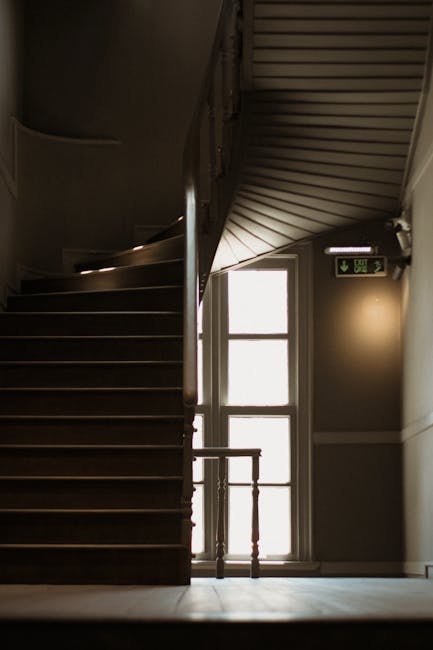
Clapham Common flat removals tips for narrow staircases
Posted on 15/05/2026
Moving out of a flat near Clapham Common sounds straightforward until you meet the staircase. Tight turns, awkward landings, low ceilings, and a banister that seems determined to catch every sofa corner can turn a normal move into a slow, sweaty puzzle. If you are looking for Clapham Common flat removals tips for narrow staircases, you are probably trying to avoid damage, delays, and that awful moment when a mattress gets wedged halfway down the stairs. Fair enough.
This guide pulls together practical advice for planning, packing, lifting, and booking the right support so your move is calmer and safer. It is written for real London flats, not idealised house-move fantasies. You will find step-by-step guidance, expert tips, a checklist, and a few useful links to related services such as flat removals in Lambeth, furniture removals support, and packing and boxes advice. If you want help sooner rather than later, you can also contact the team here.
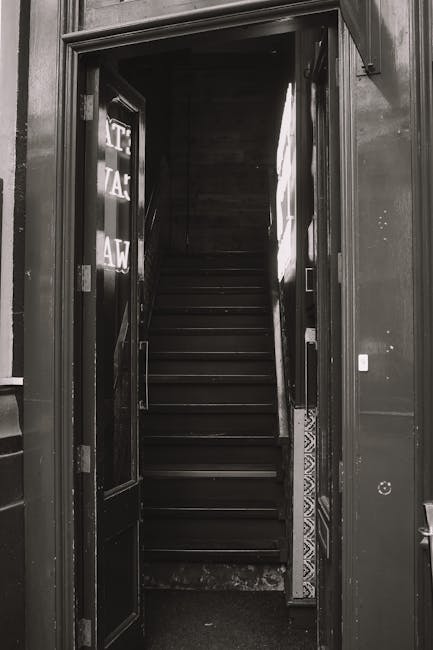
Why Clapham Common flat removals tips for narrow staircases Matters
Clapham Common and the surrounding streets have plenty of lovely flats, but many older London buildings were never designed around modern furniture. Narrow staircases are common, and they change the whole move. A wardrobe that looked perfectly manageable in the living room can become a near-impossible object the moment it meets a tight bend on the first floor.
That matters for three reasons. First, safety. Lifting heavy items on awkward stairs can strain backs, shoulders, and knees. Second, property protection. One slip can scuff paint, chip plaster, or leave marks on a bannister that will be painfully obvious in daylight. Third, timing. What should be a tidy two-hour load-out can stretch into a long, stressful delay if nobody has planned for access properly. And let's face it, the hallway starts feeling smaller the more anxious everyone gets.
Local knowledge helps here. Moves around Clapham Common often involve controlled parking, shared entrances, tight stair cores, and neighbours who are not thrilled by repeated banging at 8:00 on a weekday morning. A bit of preparation goes a long way.
If you are comparing moving support, it can also help to look at the wider service picture on removal services in Lambeth or the more detailed services overview, especially if your move needs packing, storage, or same-day flexibility.
How Clapham Common flat removals tips for narrow staircases Works
The basic idea is simple: remove friction before moving day. Narrow staircase moves work best when you break the job into stages. Measure first, plan the route second, and only then start carrying anything heavy. That order sounds obvious, but people skip it all the time because the flat is busy, the lease is ending, and everything is in a rush.
In practice, the process usually looks like this:
- Check access around the building, including the doorway, hallway width, landing turns, and stair height.
- Measure large items such as beds, sofas, wardrobes, tables, and fridge-freezers.
- Decide what can be dismantled before the move. Flat-pack logic helps here. Some pieces can be separated in minutes and save an hour later.
- Protect the property with covers, blankets, and floor protection where needed.
- Load items in a sensible sequence, so the largest and most awkward pieces go first, not last.
- Use the right number of people for heavier or awkward items. One person and optimism is not a lifting strategy.
For smaller local moves, a man with a van in Lambeth can be a practical option, especially if you have fewer items and want a more agile service. For fuller household relocations, a broader house removals service may be the better fit, particularly if there is furniture dismantling involved.
In our experience, the best results come from treating the staircase like a project, not a hallway. That one mindset shift can save a lot of hassle.
Key Benefits and Practical Advantages
Good preparation for narrow stairs is not just about avoiding trouble. It makes the entire move cleaner, faster, and cheaper in real terms because fewer things go wrong. Here are the main benefits.
- Less damage risk: carefully planned moves reduce the chance of cracked plaster, chipped frames, and battered furniture edges.
- Quicker handling: furniture that has been measured and dismantled in advance moves more smoothly.
- Lower physical strain: carrying weight through tight turns is demanding; reducing heavy lifts helps everyone.
- Better packing efficiency: smaller, labelled loads are easier to stack in a van and easier to carry through a staircase.
- Less stress on the day: you are not making decisions in the doorway while holding a table at an awkward angle.
There is also a practical financial angle. If items are better prepared, the move is less likely to take longer than expected. That can matter whether you are paying hourly, fixed-price, or simply trying to make a same-day move work without drama. If you want to understand quotes more clearly, have a look at pricing and quotes before booking.
A small detail often overlooked: better planning can help preserve relationships with neighbours and landlords. Nobody wants complaints about repeated hallway blockages or scratched walls. That part matters more than people admit.
Who This Is For and When It Makes Sense
This approach is useful for anyone moving in or out of a flat near Clapham Common, but it is especially relevant if your building has one or more of the following:
- tight internal staircases with a sharp turn halfway up
- small landings where furniture cannot be rotated easily
- older stair rails or narrow banisters
- limited lift access or no lift at all
- communal entrances with awkward door swings
It is also a strong fit if you are:
- a tenant moving at the end of a lease
- a first-time mover who has not dealt with London staircases before
- a student moving between shared homes or rooms
- a busy household trying to do the move on a tight schedule
- someone with bulky furniture, such as a sofa, bed base, wardrobe, or piano
If your move includes delicate or unusually heavy items, specialist help can make a real difference. For instance, a piano is a different beast altogether, and the risks are not the same as carrying boxes. That is where a service like piano removals in Lambeth becomes relevant. Similarly, if you are moving a mix of boxed belongings and furniture, pairing this with packing support can save a great deal of effort.
Step-by-Step Guidance
Here is a practical method that works well for most flat moves involving narrow staircases. It is not fancy. It just works.
1. Walk the route before moving day
Stand at the front door, then walk the route from the main entrance to the flat and back again. Look at door widths, bends, light fittings, wall corners, and anything that might catch. If you can, take a tape measure and note the narrowest points. A phone photo can help too. Sometimes what feels "fine" in the moment turns out to be a very different story when a mattress is in the mix.
2. Measure every large item
Measure the height, width, and depth of beds, sofas, bookcases, appliances, and wardrobes. Do not guess. Measure. Then compare those dimensions against the staircase, landing, and door openings. If the object can be dismantled safely, do that early. Beds, table legs, and some shelving units are often easier than they look.
3. Declutter before you pack
There is no better time to reduce load than before a stair-heavy move. Anything broken, unused, or duplicate should be sorted out. Fewer items mean fewer trips and less carrying. If you are not sure what to keep, imagine yourself carrying it down three flights at 7:30 in the morning. That usually clarifies things.
4. Pack by carry weight, not just by room
Heavy books, files, and kitchen items should be spread across smaller boxes rather than crammed into one impossible cube. Use manageable loads. Keep fragile items cushioned, but do not overfill boxes so they bulge and become unstable on the stairs.
5. Protect surfaces before lifting begins
Cover bannisters, door frames, and vulnerable edges with blankets or protective material. Lay down floor protection where helpful, especially in communal hallways. Even a short move can mark a painted wall if someone turns too fast with a bulky item.
6. Decide the lifting order
Load awkward items first if the route is clear. This often gives you the best chance of success before everyone gets tired. Keep the simpler boxes for later. On a narrow staircase, tiredness and fiddly corners are not friends.
7. Communicate constantly
One person should lead the move through the staircase while others respond. Use clear calls: stop, left, up, down, rotate. It sounds a bit dramatic at first, but it prevents accidents. Half the battle is making sure everyone is working from the same moment-by-moment plan.
8. Be willing to pause and reassess
If something does not fit, do not force it. Stop. Reangle the item, remove the feet, change the carry method, or dismantle it further if possible. A short pause is far better than damaging furniture or the stairwell.
If the whole move is more than you want to manage alone, a local team with the right tools and experience can be a relief. For broader help with relocation across the area, the removals Lambeth page is a sensible starting point.
Expert Tips for Better Results
Here is where a few small habits make a surprisingly big difference.
- Remove mattress handles and protruding parts where possible. Anything that catches on a rail will. It always does.
- Wrap corners separately on wooden furniture. A lot of damage happens at the edges, not the centre.
- Use two people for one awkward item rather than one person trying to muscle it through alone.
- Keep hardware in labelled bags when dismantling furniture. Tape the bag to the item or keep it in a clearly marked box.
- Reserve one clear landing area where boxes can be briefly staged. It stops the staircase from turning into a bottleneck.
- Check footwear. Trainers with good grip are far better than slippery-soled shoes.
A slightly old-fashioned trick still works well: a quick handwritten note on each box, such as "kitchen, light" or "books, heavy." It saves time when people are deciding what can safely go up or down first. Simple, but effective.
One more thing. If you are moving on a tight schedule, or you need the move completed the same day, ask early whether a same day removals service is suitable. Narrow stairs and rushed timing are not a brilliant combination, but with the right planning they can still be manageable.
Common Mistakes to Avoid
Most stair-related moving problems are predictable. That is the good news. The not-so-good news is that people still repeat them every week.
- Skipping measurements: assuming a sofa will "probably fit" is how moves get delayed.
- Leaving dismantling until the last minute: if you wait until moving morning, you are already under pressure.
- Overloading boxes: a box that is too heavy becomes awkward on stairs and may split.
- Ignoring the landing shape: the tightest point is often not the stairs themselves but the turn at the top or bottom.
- Not protecting the property: even careful movers can bump walls if there is no buffer.
- Trying to "just push it through": this usually ends with scraped paint and a few choice words.
Another common issue is underestimating time. A move with narrow stairs is not always slow, but it often needs more micro-pauses: turning, checking, adjusting, then moving again. If you mentally budget for that from the start, you will feel much less pressure on the day.
Tools, Resources and Recommendations
You do not need a van full of specialist equipment for every flat move, but a few basics help a lot.
| Tool or Resource | Why It Helps | Best Used For |
|---|---|---|
| Measuring tape | Confirms whether large items fit through turns and doors | Route planning and furniture checks |
| Furniture blankets | Protects walls, banisters, and furniture edges | Safeguarding staircases and hallways |
| Strong packing tape and labels | Keeps boxes secure and easy to identify | Smarter loading and faster unpacking |
| Step straps or moving straps | Helps distribute weight more safely | Heavy or awkward furniture |
| Protective gloves | Improves grip and reduces hand strain | Boxes, frames, and repetitive lifting |
For packing supplies, see packing and boxes. If items are too bulky or you want help choosing the right method, furniture removals support is useful because it focuses on the items that tend to create staircase problems in the first place.
If you are trying to decide between moving everything yourself and using a local crew, it can also help to compare broader options on removal companies in Lambeth. The right choice is often the one that matches your access challenges, not just your item count.
Law, Compliance, Standards, or Best Practice
For a flat move with narrow stairs, compliance is mostly about acting responsibly and following normal UK moving best practice. That includes safe lifting, careful handling of property, and respecting shared spaces. There is no need to overcomplicate it, but there are a few points worth keeping in mind.
- Manual handling: if a lift is too heavy or awkward, the sensible move is to get help or reduce the load. Good practice is to avoid risky lifts rather than "power through."
- Property care: you should protect walls, floors, and bannisters where possible, especially in shared buildings.
- Insurance awareness: before booking any move, it is wise to understand what cover is included and what exclusions may apply. See insurance and safety for a useful starting point.
- Building access: if your block has restrictions, check them in advance. Communal rules, lift reservations, and parking limitations can all affect the move.
For trust and transparency, a professional moving company should also make it easy to find its policies. That includes pages such as terms and conditions, health and safety policy, privacy policy, and about us. Those pages are not just formalities; they help you judge whether the service is run properly.
There is also a practical sustainability angle. If you are reducing waste while moving, or sending unwanted items for recycling, look at recycling and sustainability. It is one of those background tasks that makes the overall move feel tidier.
Options, Methods, or Comparison Table
There is more than one way to handle a narrow-staircase move. The best method depends on how much you own, how tight the route is, and how much physical work you want to take on yourself.
| Method | Best For | Pros | Trade-Offs |
|---|---|---|---|
| DIY move with friends | Very small loads and simple access | Flexible, potentially cheaper upfront | Higher risk of fatigue, delays, and accidental damage |
| Man and van service | Smaller flat moves, student moves, mixed loads | Quick, local, often more adaptable on tight streets | May still need extra help for heavy or awkward items |
| Full removals team | Larger flats or homes, more furniture, more coordination | More hands, better handling, less stress | Usually a bigger service investment |
| Specialist item move | Pianos, antiques, oversized furniture | Designed for high-risk or bulky items | Not necessary for simple box-only moves |
If your move is light and local, a man and van in Lambeth can be a good middle ground. If it is a more complete relocation, especially with tricky access, a broader flat removals service may be more efficient. Truth be told, choosing the wrong type of service is one of the easiest ways to make a move harder than it needs to be.
Case Study or Real-World Example
Imagine a one-bedroom flat just off Clapham Common with a narrow staircase and a sharp right turn between floors. The tenant has a double bed frame, a mattress, a desk, a small sofa, four boxes of books, and a few kitchen cartons. Nothing extreme. But the sofa has chunky arms, and the bed base will not make the turn unless it is dismantled.
The move goes better because the route is checked two days before. The bed is taken apart in advance. The sofa is wrapped, then carried in an upright position with two people guiding the turn slowly. Books are split into smaller boxes, so nobody has to attempt a heroic lift that goes wrong halfway up the stairwell. One landing is kept clear for staging, and the doorframe is covered before anything bulky starts moving. Not glamorous, just smart.
What made the difference? Preparation, plus the willingness to stop and adjust. At one point, the sofa catches slightly on the stair rail. Instead of forcing it, the team repositions, lowers one end, and carries it through at a shallower angle. Ten seconds of patience saves a scratch and a lot of swearing. That part is optional, though sometimes it sneaks out anyway.
For this kind of move, many people also find it useful to review local neighbourhood advice when planning timing, parking, and access. If the flat is in a busier part of the area, small details can affect the day more than you expect.
Practical Checklist
Use this before moving day. It is simple, but it covers the things that usually matter most.
- Measure the staircase, landings, doors, and largest items
- Check whether furniture can be dismantled safely
- Book the right size of moving support for the load
- Confirm parking and access arrangements
- Pack heavy items into smaller, safer boxes
- Label boxes clearly by room and weight
- Protect bannisters, corners, and floors
- Set aside tools, tape, screw bags, and blankets
- Clear a landing area for staging items
- Wear sensible footwear and gloves
- Keep water and a quick snack handy, especially for longer moves
- Confirm insurance and terms before the move starts
If you are still choosing a provider, the removal van service page can help you understand what sort of vehicle and support might suit your flat move. Small detail, but useful.
Conclusion
Clapham Common flat moves with narrow staircases are not impossible at all. They just reward the people who plan properly. Measure early, dismantle where you can, pack with the staircase in mind, and use the right level of help for the furniture you actually have. That combination removes a surprising amount of stress.
Whether you are moving out of a top-floor flat, handling awkward furniture, or trying to keep a tight schedule without scuffing the walls, the goal is the same: get everything out safely and without chaos. A careful move feels calmer from start to finish, and the difference is obvious once the last box is on the van and the stairs are still intact. Nice feeling, that.
If you are ready to talk through your move, get in touch with the team here for practical advice and a quote that fits your situation.
Get a free quote today and see how much you can save.